Internal Combustion Engine
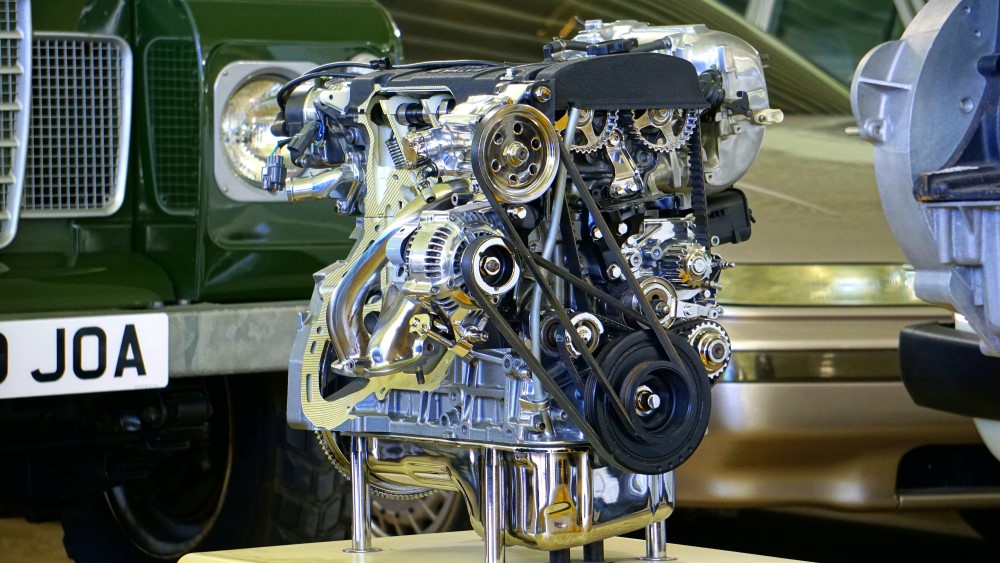
Credits to Mike B
The internal combustion engine (ICE) is undoubtedly one of the most significant inventions in human history. This invention revolutionized the way we live, work, and travel, and transformed the world in ways that could scarcely have been imagined before its development. The ICE has enabled us to power vehicles, machinery, and generators in a way that was previously unimaginable, and it has led to countless other innovations that have transformed our world. In this essay, we will explore the significance of the invention of the internal combustion engine to daily life, including its historical context, its impact on society, and the innovations that have resulted from its development.
Historical Context
The development of the internal combustion engine was the result of a long process of innovation that took place over many years. The earliest attempts to create an engine that could convert heat into mechanical energy date back to the 17th century, when inventors like Denis Papin and Christian Huygens began experimenting with steam engines. However, these early engines were large, heavy, and inefficient, and they were not suitable for widespread use.
It was not until the 19th century that significant progress was made in the development of the internal combustion engine. The French engineer Étienne Lenoir built the first practical internal combustion engine in 1860, using a mixture of coal gas and air to power a small two-stroke engine. However, Lenoir’s engine was also inefficient and not practical for widespread use.
It was not until the development of the four-stroke engine by the German engineer Nikolaus Otto in 1876 that the internal combustion engine became a practical power source for vehicles and machinery. Otto’s engine used a mixture of gasoline and air to power a piston, which in turn could drive a vehicle or power a machine. Otto’s four-stroke engine was significantly more efficient than previous designs, and it quickly became the standard for internal combustion engines.
Impact on Society
The invention of the internal combustion engine had a profound impact on society, particularly on transportation. Prior to the development of the ICE, transportation was limited to animals, steam engines, and human power. These modes of transportation were slow, inefficient, and often unreliable, particularly in urban areas.
The ICE changed all of that. With the development of the automobile in the late 19th century, transportation became faster, more efficient, and more reliable than ever before. Cars and trucks could travel farther and faster than horses, and they could be used to transport goods and people more efficiently. This led to the rapid expansion of urban areas, as people could now live farther from their workplaces and still commute to work easily.
The ICE also had a significant impact on industry, particularly in the manufacturing sector. Factories could now be powered by internal combustion engines, which were more efficient and less expensive than steam engines. This led to the development of mass production techniques, which enabled factories to produce goods more quickly and at a lower cost than ever before.
Innovations Resulting from the ICE
The development of the internal combustion engine has led to countless other innovations, many of which have transformed our world in significant ways. For example, the development of the jet engine in the mid-20th century was made possible by the earlier work on internal combustion engines. Jet engines use the same basic principles as ICEs, but they are designed to operate at much higher speeds and temperatures.
Another innovation that resulted from the ICE was the development of the electric generator. Internal combustion engines could be used to generate electricity, which could then be used to power homes, businesses, and other facilities. This led to the rapid expansion of the electric power industry, which has transformed our world in countless ways.
The development of the ICE also led to innovations in the field of aerodynamics. Engineers realized that by streamlining the design of vehicles and aircraft, they could reduce drag and improve efficiency. This led to the development of new materials and manufacturing techniques, as well as innovations in the design of engines, wings, and other components. Today, aerodynamics is an essential part of the design process for everything from cars to airplanes to spacecraft.
The ICE also paved the way for the development of alternative fuels, such as biofuels and hydrogen fuel cells. While these technologies are still in their early stages, they have the potential to revolutionize the way we power our vehicles and equipment in the future.
Urbanization and Health
While the invention of the internal combustion engine had many positive impacts on society, it also led to some negative consequences, particularly in urban areas. As more and more people began to rely on cars and other vehicles for transportation, urban areas became increasingly congested, polluted, and unhealthy.
In the early days of the automobile, air pollution was not a major concern. However, as the number of cars on the road increased, so did the amount of pollution they produced. This led to a range of health problems, including respiratory illness, heart disease, and cancer.
In addition to air pollution, the rise of the automobile also led to increased noise pollution, as well as a range of safety issues. Accidents and fatalities became more common on roads and highways, particularly in urban areas.
In recent years, efforts have been made to address some of these negative consequences of the internal combustion engine. For example, emissions standards have been implemented in many countries, which require vehicles to meet certain pollution standards in order to be sold. Alternative fuels and electric vehicles are also being developed and promoted as a way to reduce pollution and improve public health.
Conclusion
The internal combustion engine has had an enormous impact on daily life, transforming the way we live, work, and travel. It has enabled us to power vehicles, machinery, and generators in a way that was previously unimaginable, and it has led to countless other innovations that have transformed our world.
While the invention of the internal combustion engine has had many positive impacts on society, it has also led to some negative consequences, particularly in terms of pollution and public health. However, efforts are being made to address these issues, and the development of alternative fuels and electric vehicles holds promise for a more sustainable and healthy future.