Robotics
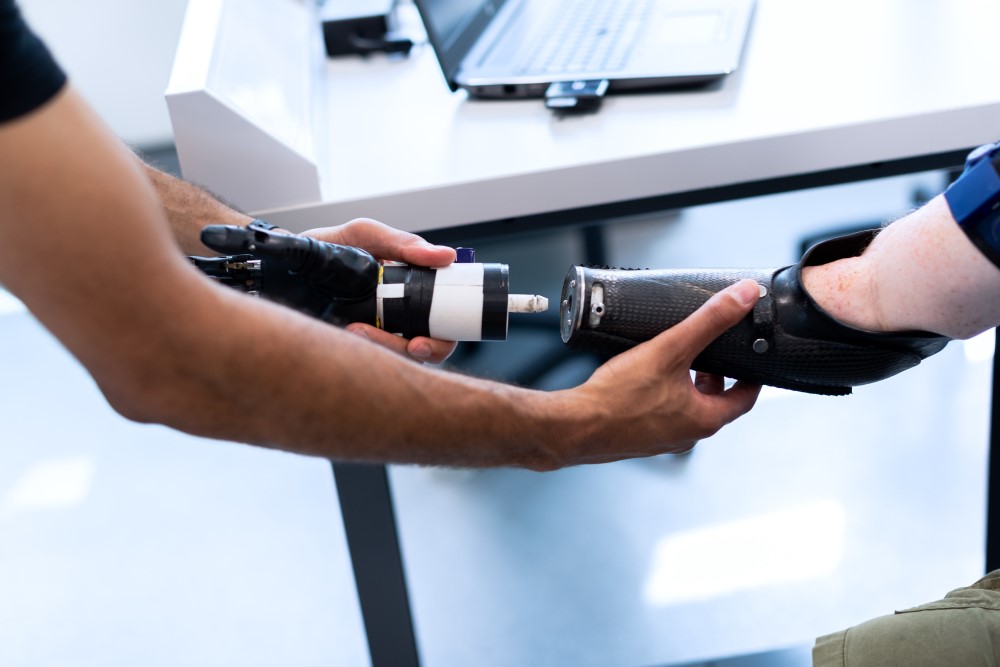
Credits to ThisIsEngineering
The invention of robotics has transformed the world in unimaginable ways, making our lives more convenient, productive, and efficient. From manufacturing and healthcare to transportation and space exploration, robots are used in almost every aspect of daily life. The invention of robotics has revolutionized the way we live, work, and communicate, and its impact will continue to grow in the coming years.
Robotics has its roots in ancient times, with the invention of mechanical devices for various purposes. However, the modern robotics era began in the early 20th century, with the introduction of the first industrial robots. In 1937, the first robot was built by George Devol, called the “Programmable Universal Manipulator.” This invention opened up new possibilities for the use of robots in industrial manufacturing, leading to the creation of the first mass-produced robot, the Unimate, by General Motors in 1961.
The Unimate was a game-changer, automating various manufacturing processes and leading to an increase in productivity and efficiency. As the technology advanced, robots became more intelligent and versatile, able to perform complex tasks and adapt to changing environments. The 1980s and 1990s saw significant advancements in robotics technology, with the development of the first mobile robots and the emergence of artificial intelligence (AI) as a key component of robotics.
The integration of AI with robotics has been one of the most significant innovations in the field, enabling robots to learn and adapt to new situations, work alongside humans, and perform tasks that were previously impossible. This has led to the development of new applications for robotics in areas such as healthcare, logistics, and agriculture. For example, surgical robots are used in minimally invasive surgery, improving patient outcomes and reducing recovery times. Autonomous vehicles are being developed for transportation, reducing accidents and improving efficiency. Agricultural robots are being used for crop monitoring and harvesting, increasing yields and reducing labor costs.
One of the most significant impacts of robotics on daily life has been in the area of manufacturing. Automation has allowed for the mass production of goods, reducing costs and increasing efficiency. This has led to an increase in the availability of goods and services, making them more affordable and accessible to a wider range of people. Robotics has also led to the creation of new industries and job opportunities, as companies invest in the development and implementation of new robotic technologies.
In addition to manufacturing, robotics has also had a significant impact on the healthcare industry. Medical robots are used for a variety of tasks, from surgical procedures to rehabilitation and therapy. Robotic technology has improved the precision and accuracy of medical procedures, reducing the risk of human error and improving patient outcomes. It has also allowed for remote monitoring and diagnosis, making healthcare more accessible to people in remote or underserved areas.
Another area where robotics has made a significant impact is in space exploration. Robotic spacecraft are used to explore other planets and gather data, allowing us to better understand our place in the universe. The Mars rover, for example, has collected valuable information about the geology and climate of the red planet, helping us to better understand the potential for life on other planets.
As robotics technology continues to advance, new applications and innovations are being developed. The use of robots in the military, for example, is becoming increasingly common, with drones being used for surveillance and combat missions. The development of humanoid robots, such as Boston Dynamics’ Atlas robot, is also opening up new possibilities for the use of robots in everyday life, from assisting with household chores to providing companionship for the elderly and disabled.
The future of robotics is exciting, with new innovations and applications on the horizon. One of the most promising areas of development is in the field of nanorobotics, where robots are being developed to operate at the cellular and molecular level. These tiny robots could have a wide range of applications in medicine, from delivering targeted drug therapies to repairing damaged tissue and cells.
Another area of development is in the field of swarm robotics, where large groups of robots work together to achieve a common goal. This technology could be used in a variety of applications, from search and rescue missions to environmental monitoring and surveillance.
Artificial intelligence will continue to play a critical role in the development of robotics technology. As AI becomes more advanced, robots will become more autonomous and able to make decisions independently. This will enable robots to work alongside humans more effectively, as they will be able to adapt to changing situations and respond to new challenges.
However, with the increasing use of robots in various industries and applications, there are also concerns about the impact of robotics on the workforce. As robots become more intelligent and capable of performing complex tasks, there is a risk that they will replace human workers, leading to job displacement and unemployment. It is important for policymakers and industry leaders to consider the ethical and social implications of robotics, and to ensure that the benefits of this technology are distributed equitably.
The invention of robotics has had a profound impact on daily life, transforming the way we live, work, and communicate. From manufacturing and healthcare to space exploration and beyond, robots are being used in almost every aspect of human endeavor. As robotics technology continues to advance, new innovations and applications will emerge, opening up new possibilities for the future. While there are concerns about the impact of robotics on the workforce, it is important to remember the many benefits that this technology has brought to our lives and to work towards a future where these benefits are shared equitably.