Currency and All Related to It
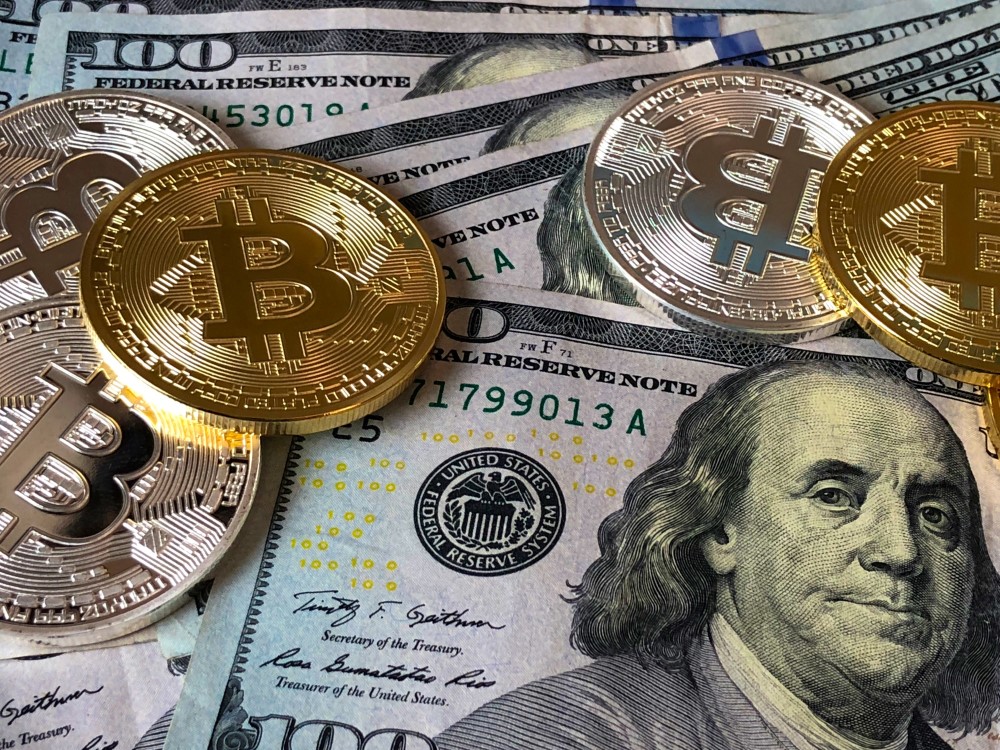
Credits to David McBee
The use of currency, in the form of physical objects that represent value and can be exchanged for goods and services, has been a part of human society for thousands of years. The earliest forms of currency were likely simple objects, such as shells or beads, that were valued for their rarity or usefulness.
The development of currency as we know it today can be traced back to ancient civilizations such as the Mesopotamians, who used silver and barley as forms of payment, and the ancient Greeks, who minted coins made from precious metals. The Romans also developed a sophisticated monetary system that included coins of different denominations and paper currency.
The use of currency made trade and commerce much easier and more efficient, as people could exchange goods and services without the need for direct bartering or complicated systems of credit. It also allowed for the accumulation of wealth and the development of more complex societies and economies.
The establishment of banks can be traced back to ancient civilizations, where moneylenders and financial intermediaries provided services such as storing valuables and facilitating transactions. However, the modern banking system that we are familiar with today began to emerge during the Renaissance period in Italy, where wealthy merchants began to deposit their money with bankers who provided loans and other financial services.
Over time, the banking system evolved and became more sophisticated, with the development of central banks, investment banks, and other financial institutions. The 20th century saw the growth of multinational banks, which operate across multiple countries, and the rise of digital banking, which allows customers to manage their accounts and make transactions online.
Today, banks play a crucial role in the global economy, providing financial services to individuals, businesses, and governments. They offer a wide range of products and services, such as savings accounts, loans, credit cards, and investment opportunities. Banks also help to facilitate international trade and investment, as well as providing financial stability through their role as lenders of last resort and regulators of the financial system.
Despite their importance, banks have also faced criticism and controversy, particularly in the wake of the global financial crisis of 2008. Critics have pointed to issues such as excessive risk-taking, unethical behavior, and a lack of accountability and transparency in the industry. As a result, there have been calls for greater regulation and oversight of the banking sector, as well as for the development of alternative financial models that prioritize sustainability and social responsibility.
In the past, the value of currency was often tied to a physical commodity, such as gold or silver. This meant that the amount of currency in circulation was directly linked to the amount of the commodity that a country had in reserve. This system, known as the gold standard, provided a measure of stability and predictability to the value of currency.
However, in the 20th century, many countries moved away from the gold standard and towards fiat currency. Fiat currency is money that is not backed by a physical commodity, but rather derives its value from the government’s backing and the trust of the public. This allows governments more flexibility in managing their economies, as they can print money and adjust interest rates to stimulate growth or combat inflation.
One of the key differences between commodity-backed currency and fiat currency is that the latter is more susceptible to inflation and other economic fluctuations. Because the value of fiat currency is not tied to a physical commodity, its value can be affected by a variety of factors, including changes in interest rates, government policy, and global economic conditions.
Another important aspect of fiat currency is that it relies on trust and confidence in the government that issues it. If a government loses the trust of its citizens or the international community, it can lead to a rapid devaluation of its currency and a crisis of confidence in its economy.
Overall, the shift towards fiat currency has had significant implications for the global economy and the way that we think about money. While it has allowed for greater flexibility and control over monetary policy, it has also created new challenges and risks, particularly in the areas of inflation and financial stability.
Also, in the latter half of the 20th century, the banking industry saw significant technological advancements that transformed the way we think about money and financial transactions. One of the most significant developments was the invention of credit cards, which allowed consumers to make purchases without the need for cash or checks. This innovation revolutionized the way we shop and spend money, leading to a rise in consumer spending and increased access to credit for individuals and businesses.
Another major development was the widespread adoption of automated teller machines (ATMs), which allowed customers to access their accounts and make transactions outside of regular banking hours. This technology made banking more convenient and accessible for people, particularly those who lived in rural or remote areas.
More recently, the banking industry has seen the rise of digital banking and mobile payments, which allow customers to manage their accounts and make transactions using their smartphones and other mobile devices. This has made banking more convenient and streamlined than ever before, and has opened up new opportunities for financial inclusion and access to banking services for people in developing countries and other underserved populations.
Looking ahead, it is likely that the banking industry will continue to see rapid innovation and change, as new technologies and business models emerge. Some of the key trends to watch include the rise of blockchain technology and cryptocurrencies, which could potentially transform the way we think about money and financial transactions, as well as the continued growth of mobile banking and fintech startups, which are disrupting traditional banking models and creating new opportunities for innovation and growth.
As the banking industry continues to evolve and change, it will be important for policymakers and regulators to stay up-to-date with the latest trends and technologies, and to ensure that the industry remains stable, secure, and accessible for all. Ultimately, the continued innovation and growth of the banking industry will play a crucial role in shaping the future of the global economy and our lives as consumers and citizens.
Today, currency continues to play a vital role in our lives, facilitating transactions both large and small, from buying groceries to investing in the stock market. The use of digital currencies such as Bitcoin has also opened up new possibilities for global commerce and financial transactions. Overall, the establishment of currency has had a profound impact on human society, making possible many of the conveniences and luxuries we take for granted today.